Inland Region
The Inland Administrative Region covers three Mutual Aid Regions (III, IV, and V) that include 31 counties, 123 Cities and a population of 7.2 million.
Mutual Aid Region III – Butte, Colusa, Glenn, Lassen, Modoc, Plumas, Sierra, Siskiyou, Shasta, Sutter, Tehama, Trinity, and Yuba counties.
Mutual Aid Region IV – Alpine, Amador, Calaveras, El Dorado, Nevada, Placer, Sacramento, San Joaquin, Stanislaus, Tuolumne, and Yolo counties.
Mutual Aid Region V – Kern, Fresno, Kings, Madera, Mariposa, Merced, and Tulare counties.
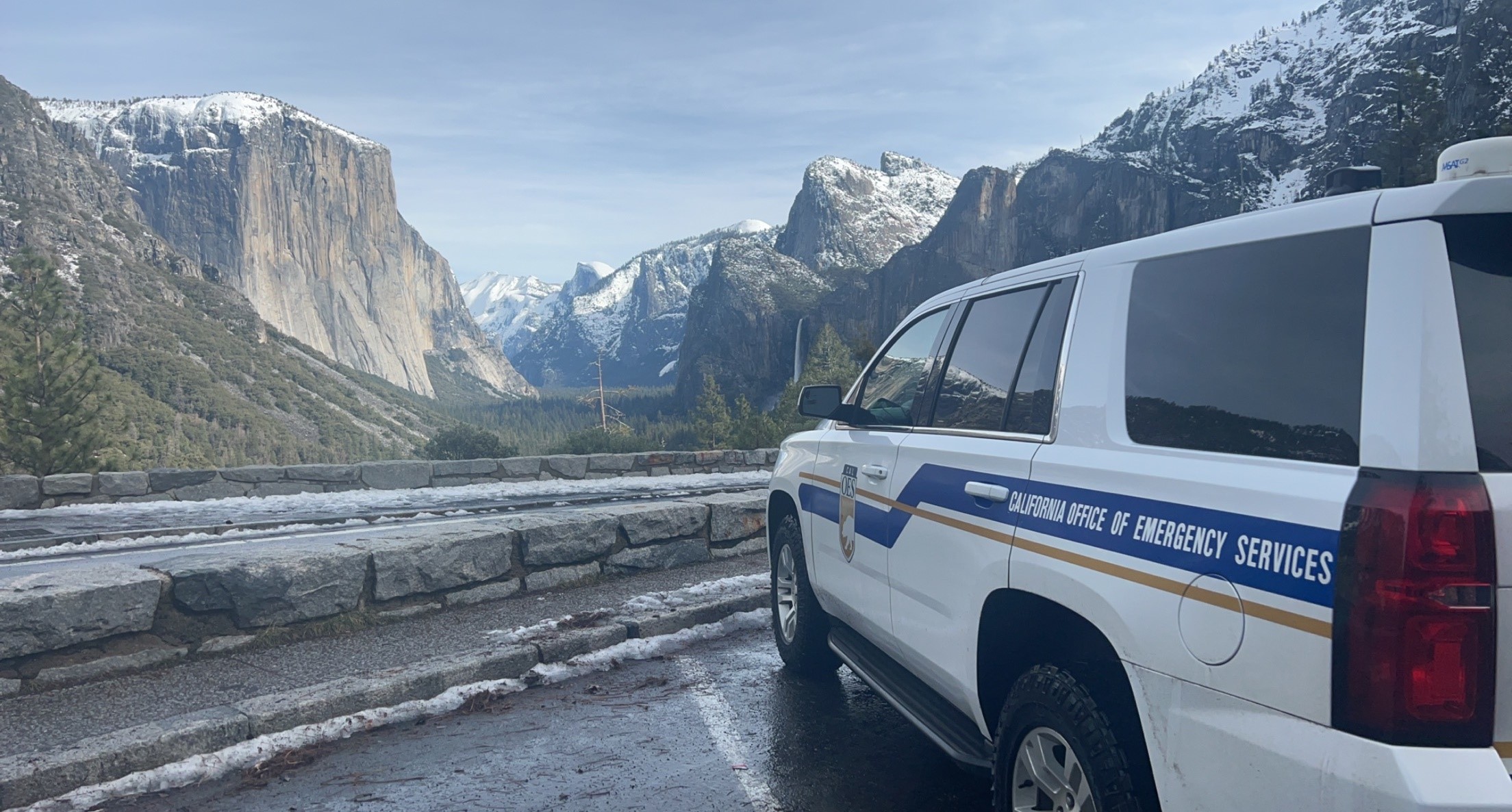
The Inland Region consists of primarily rural jurisdictions with a few large metropolitan cities. The geography of the Inland Region is vast and diverse with terrain consisting of the California Central Valley, one of the world’s most productive agricultural regions, the San Joaquin and Sacramento Valleys’ grasslands, major river watersheds and key hydrologic regions, high desert, foothills, plateaus, and high elevation mountain ranges, such as the Sierra Nevada, Cascade, and Klamath.
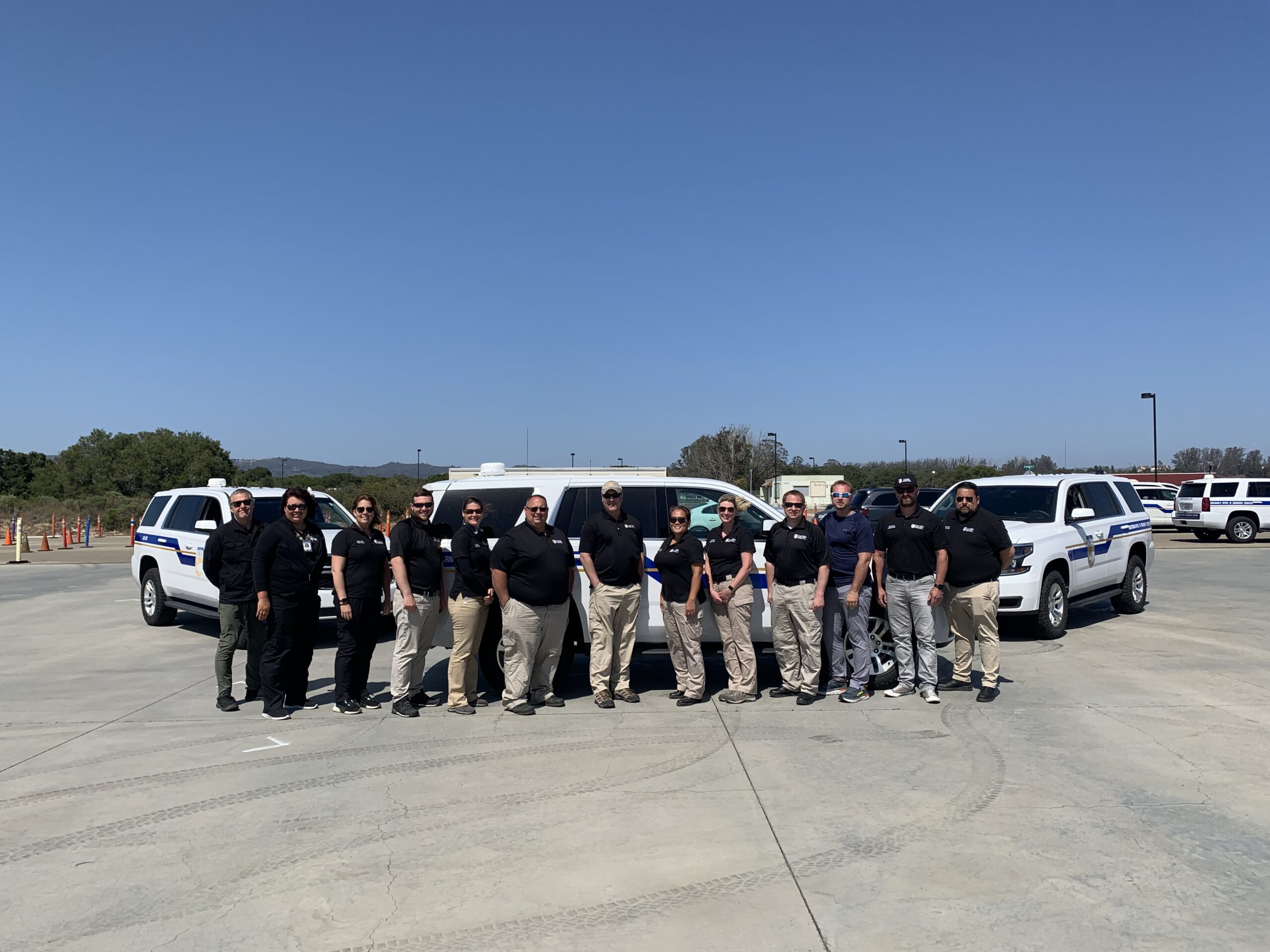
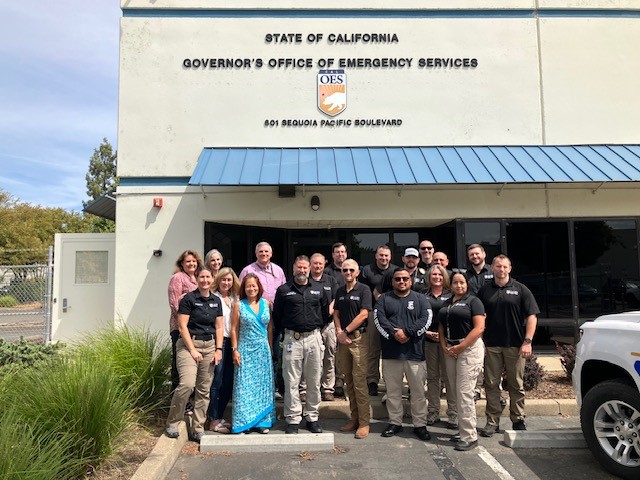
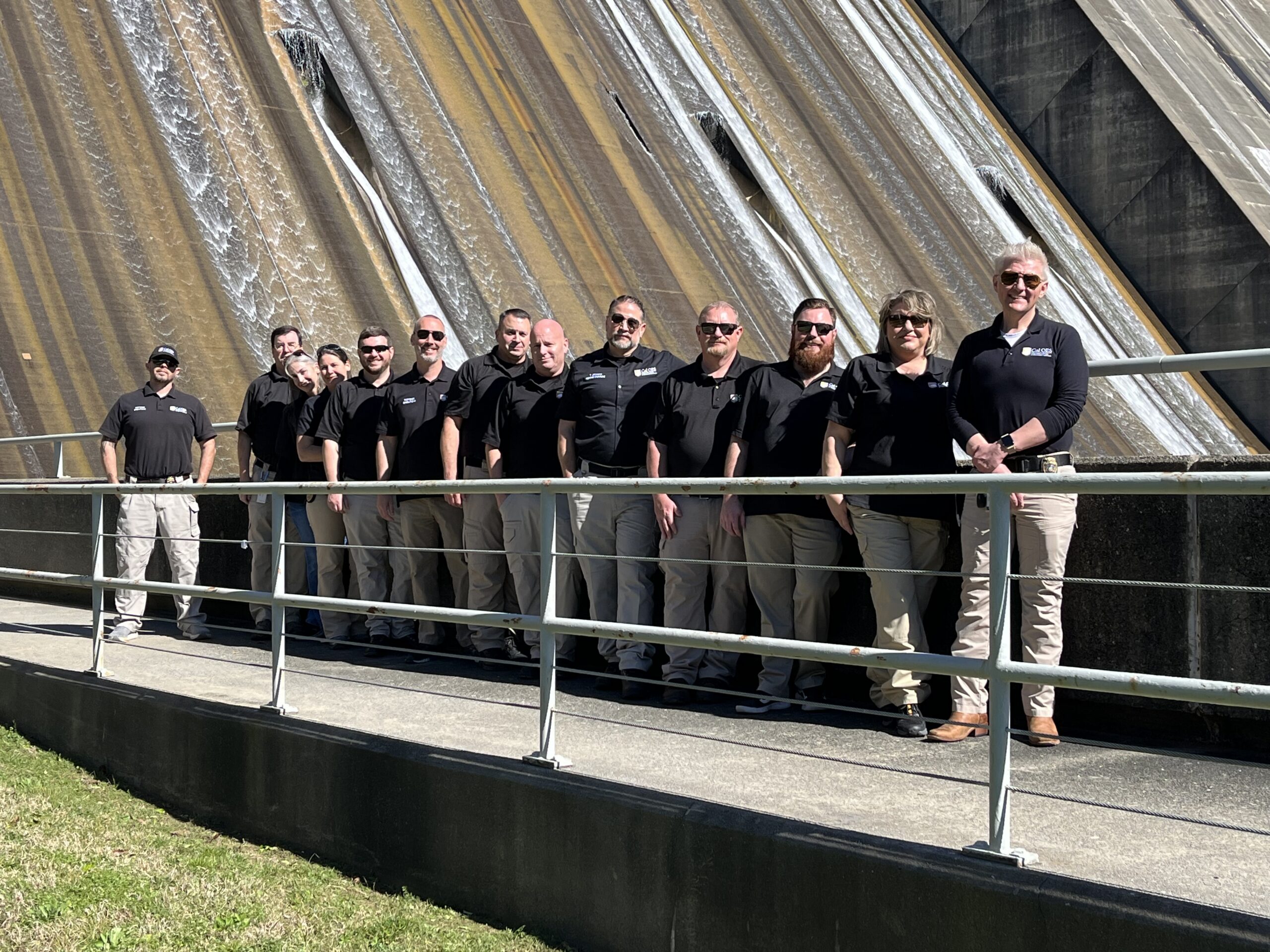
Inland Region is divided into three teams, North, Central, and South, and employs 12 Emergency Services Coordinators (ESCs) and four Senior ESCs throughout the region that serve as Cal OES liaisons and emergency management professionals to all 31 counties and collaborate with local committees and workgroups. Our ESCs also participate in state level emergency management committees and workgroups.
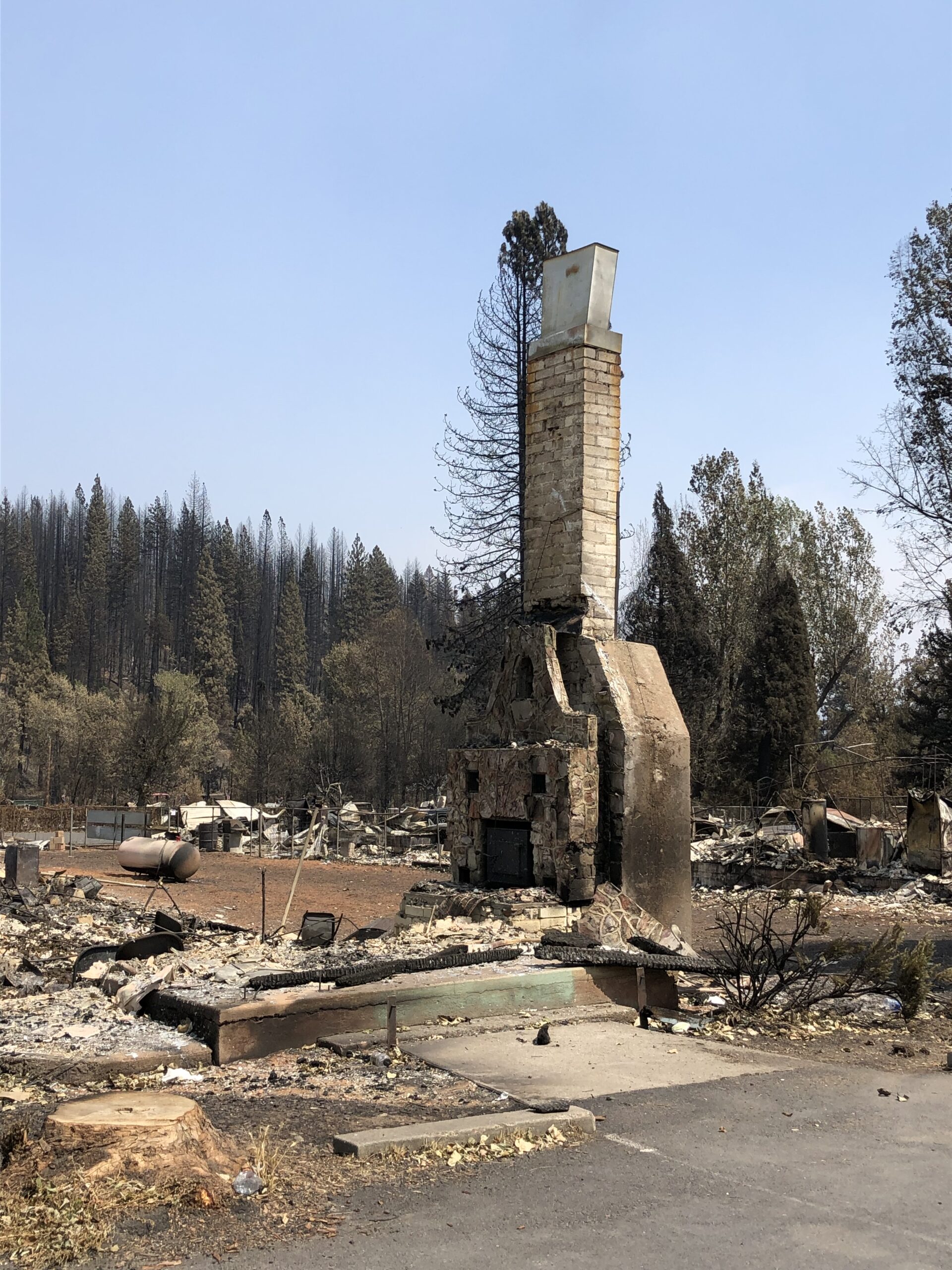
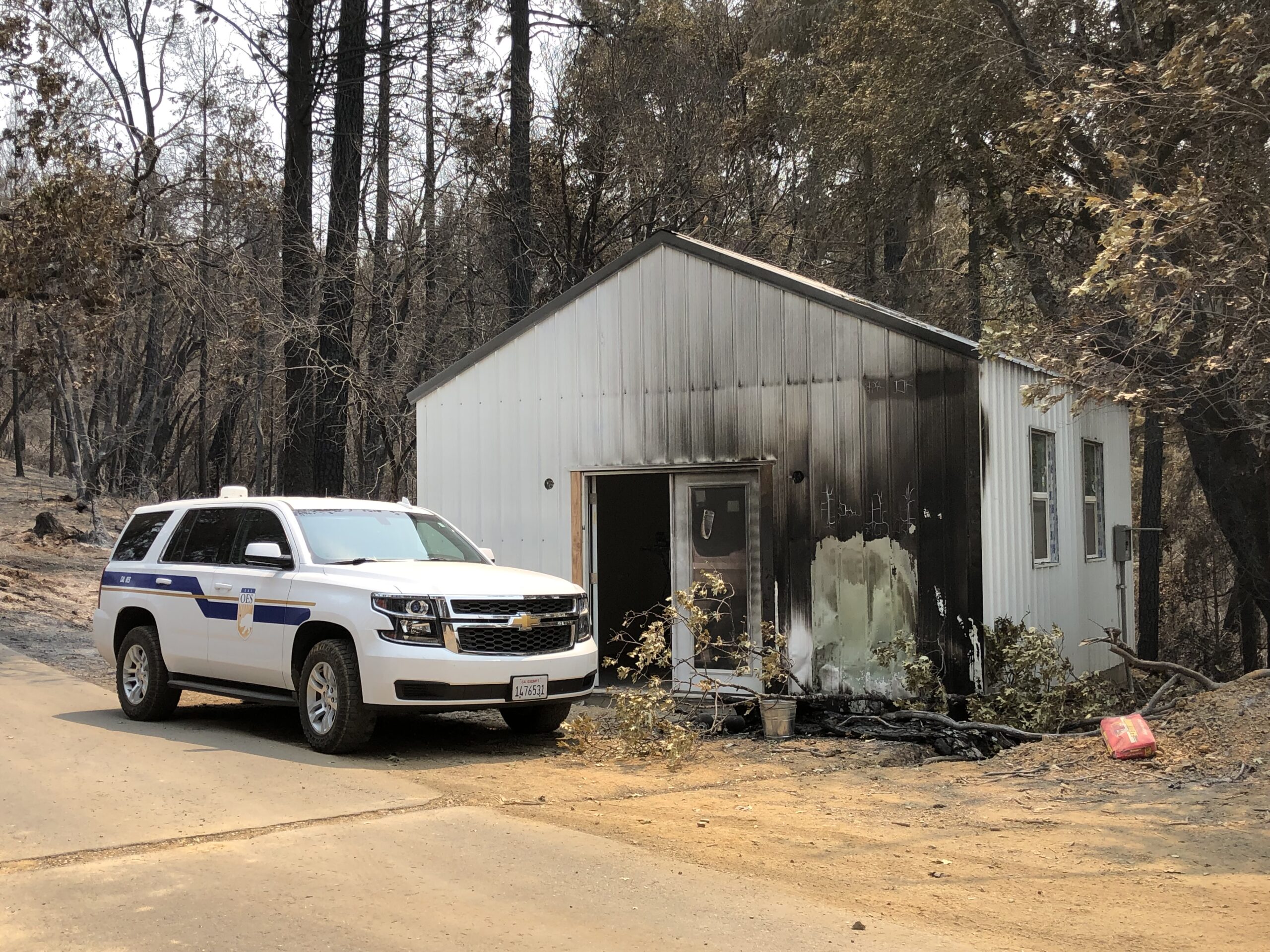
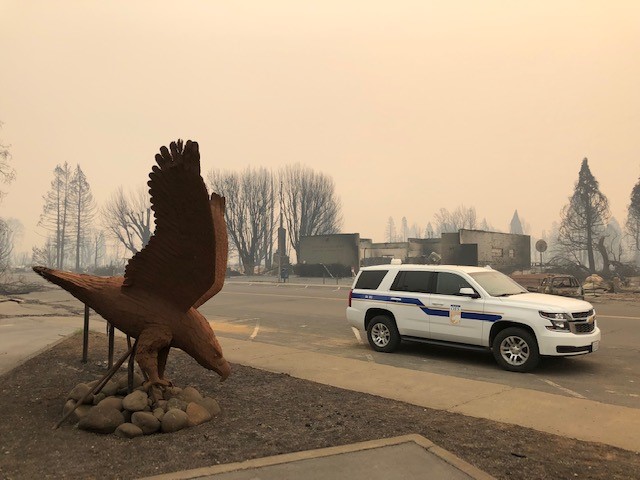
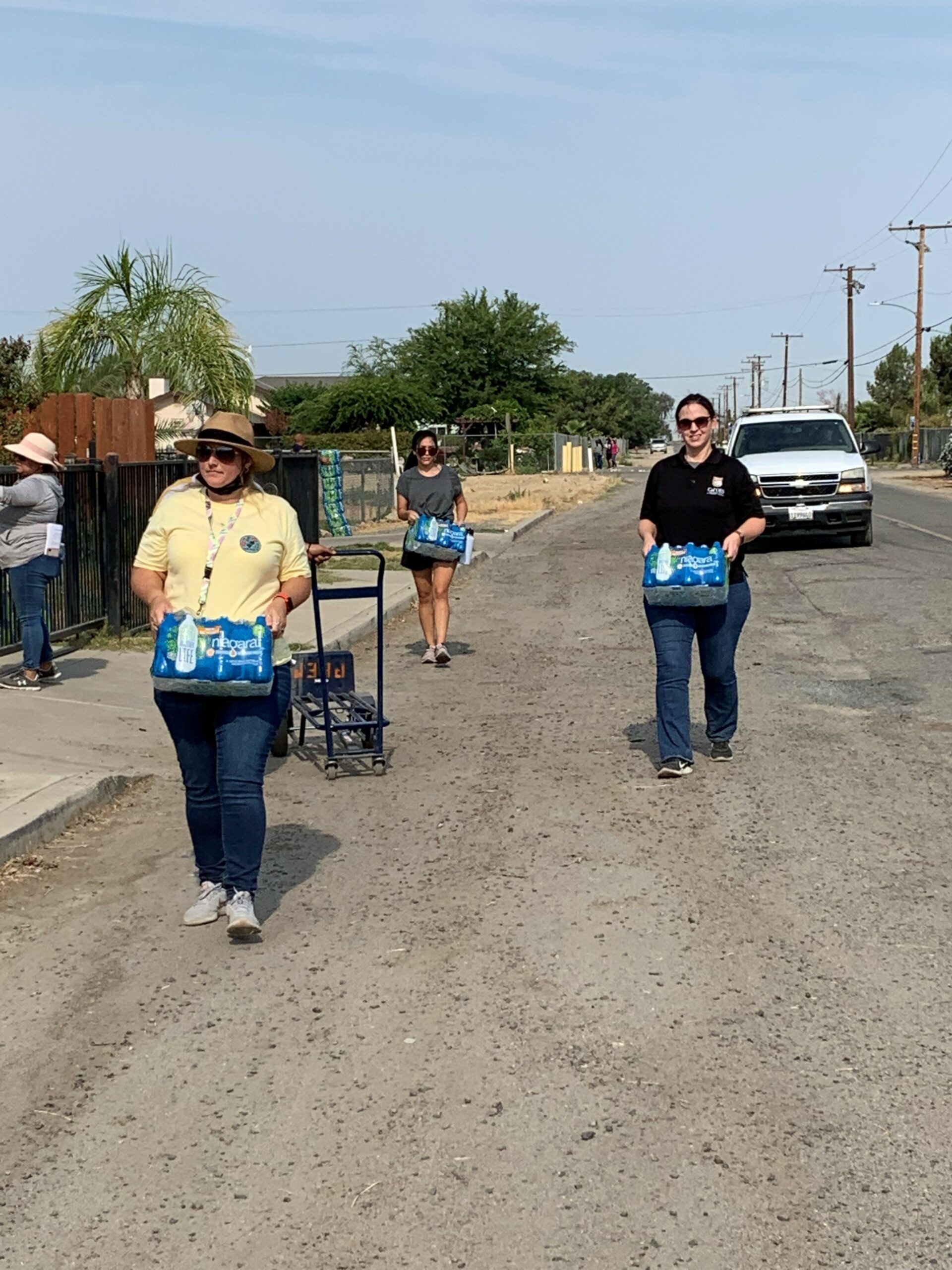
During complex and high impact emergencies (e.g., wildfires, floods, earthquakes), the Inland Team work alongside local emergency managers in county or city Emergency Operations Centers to coordinate state resources and relay information to the regional administrative leadership and/or the State Operations Center. The team also assists in analyzing gaps and helps to resolve complex problems to protect life safety, property, and the environment.
Outside of emergencies, the Inland Team train with the counties and cities, review local Emergency Operations Plans and other emergency management plans and documents, update various policies and procedures as identified through After-Action Reports, and exercise existing plans and processes to identify gaps/weaknesses, clarify roles/responsibilities, validate training, and maintain continuous improvement by refining policies and response plans to ensure readiness for disaster.
Cal OES Administrative Regions maintain the integrity of the Standardized Emergency Management System (SEMS) by holding quarterly Mutual Aid Regional Advisory Committee (MARAC) meetings. Inland Region has three Mutual Aid Regions (III, IV, and V) within its geographic responsibility area. MARAC meetings bring together state and local emergency management disciplines (fire, law, emergency management agencies, utilities, special districts, public health and medical) and other whole community partners within the mutual aid region to discuss changes to laws/regulations, improvements to systems, technology advancements, funding opportunities and overall regional readiness to provide a consistent framework to mitigate, prepare for, respond to, and recover from the effects of emergencies.
All Administrative Regions contacts are available on the Administrative Regions Interactive Map
For additional questions relating to MARAC, please contact MARAC Coordinators below: