
2026–2027 El Niño storm season
What El Niño means for California
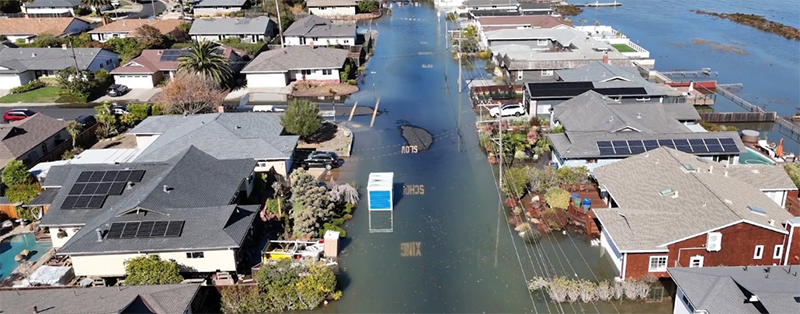
El Niño happens when parts of the Pacific Ocean become warmer than usual. This warming can shift weather patterns across the Pacific, increasing the chances of heavy rain, strong winds, flooding, landslides, coastal impacts, power outages, and other severe weather across California.
El Niño impacts can vary depending on where you live. State agencies and their partners are monitoring forecasts and local conditions to guide decisions as the timing, location, and severity of individual storms become clearer.
- Near rivers, creeks and low-lying streets. Watch for flooding and rapidly rising water.
- Near steep slopes or below recent wildfire burn scars. Heavy rain can trigger landslides and fast-moving flows of mud, rocks and debris.
- Along the coast. High surf and high tides can contribute to flooding and erosion.
- In the mountains. Heavy snow can make travel dangerous and close roads.
- In the desert. Flash floods can sweep through washes and low spots even when rain is falling miles away.
Strong winds, fallen trees, power outages and road closures can happen anywhere in California. Learn more about El Niño from Ready California.
How California is preparing
Cal OES is coordinating with state, local and Tribal partners to identify where rescue crews, high-water vehicles and flood-fighting supplies may be needed. Forecasts and local needs will guide decisions about where and when to stage resources.
State agencies are planning for impacts to roads, bridges, flood-control systems and essential services. That includes getting road and snow-removal equipment ready and coordinating with utilities on outage preparedness and service restoration. Partners are also considering how flooding, closures and outages could affect access to emergency alerts, evacuation transportation, health care and power-dependent medical equipment.
El Niño State actions
- Sept. 21, 2026. Governor Newsom proclaimed a statewide emergency to mobilize resources and prepare for El Niño. The proclamation directs Cal OES to coordinate statewide preparedness with state, local and Tribal partners. Read the Sept. 21 announcement.
- Oct. 27, 2026. The Governor issued two executive orders. Read the Oct. 27 announcement and executive orders.
- The Governor’s Highway 1 executive order directs state agencies to reduce the risk of storm damage and closures along the coastal highway. Across California, crews are identifying vulnerable roads and bridges and getting equipment ready, while state agencies work with utilities to prepare for outages and restore essential services quickly.
- The Governor’s statewide flood preparedness executive order helps public agencies move faster on eligible projects that reduce flood risk, including repairing levees and clearing debris from waterways.
How Californians can be prepared before storms
California encourages everyone to prepare now. Stay informed, sign up for local emergency alerts at ready.ca.gov, follow instructions from local authorities, and make an emergency plan with your family.
Plan for pets and livestock, medications, and backup power for medical or assistive equipment. Pack a go-bag and keep water, food, flashlights and chargers at home in case you need to stay put.
- Check your flood risk. Look up your home and workplace to see whether they’re in a flood-prone area or downhill from a recent wildfire.
Check your address with Cal OES MyHazards. - Review your insurance. Most homeowners and renters policies exclude flood damage. New flood insurance usually takes 30 days to take effect.
- Make a family plan. Know and practice your evacuation routes and check your vehicle’s brakes, wipers and tires. Sign up for local emergency alerts and listen to local authorities.
- Prepare your home for rain and wind. Clear gutters and drains, fix roof leaks and trim trees. Ask local officials where to get sandbags if you need them.
- Gather essential supplies. Pack medicine, flashlights, water and other essential supplies. Keep IDs, insurance papers, medical records and property documents in a waterproof bag. Save digital copies where you can access them.
- Get your vehicle ready. Check the tires, brakes, wipers, heater, defroster and exhaust. Carry chains if you expect to drive in snow. Check road conditions
Stay safe during and after storms
During a storm
- Follow local alerts and evacuation instructions. Leave immediately if an evacuation order is issued. If you need extra time to leave, act early when an evacuation warning is issued.
- Avoid unnecessary travel. Never drive or walk through floodwater. Move to higher ground if water starts rising near you.
- Use flashlights during outages. Keep generators, grills and camp stoves outdoors and away from doors, windows and vents.
- Stay clear of downed power lines and trees touching them. Call 911 to report a downed line from a safe location.
- Check in with neighbors, especially anyone who may need help getting alerts or arranging transportation.
After a storm
- Return home only when local officials say it’s safe.
- Stay out of standing water and away from unstable slopes. Landslides can occur after the rain stops.
- When it’s safe, photograph damage before you begin cleanup so you have a record for insurance.
Preparedness resources
- Ready California El Niño resources offer storm safety tips, downloadable materials and an outreach toolkit for community partners.
- Local emergency alerts let you sign up for warnings from your city or county.
- National Weather Service provides local forecasts, watches and warnings.
- Caltrans QuickMap shows road closures, chain controls and current highway conditions.
- 211 California connects residents with local services and information about available assistance. Call 911 for an emergency.
State agency resources
California Natural Resources Agency
Under the Oct. 27 flood preparedness order, the California Natural Resources Agency reviews requests to speed up eligible projects, including levee repairs and debris removal. It also co-leads the Highway 1 Task Force to identify vulnerable stretches of the highway and recommend protective work.
- Public agencies can download the request form and find submission instructions on the El Niño Storm Preparation page.
California Department of Water Resources
Under the Sept. 21 emergency proclamation, the Department of Water Resources is responsible for staging and distributing flood-fighting supplies where needed. The department works with local partners to prepare flood-control infrastructure and reaches out to dam owners about storm readiness.
- Learn how crews maintain levees, clear debris and prepare the Central Valley’s flood bypasses in With El Niño on the Horizon, DWR Prepares the Flood System.
California State Parks
California State Parks monitors coastal conditions and prepares parks and beaches for flooding, erosion and high surf. The Oct. 27 Highway 1 order directs State Parks to assess how closures and repairs could affect parks and public access.
- Learn how parks are preparing and what conditions to check before a coastal visit in the State Parks El Niño update.
- Boaters and marina operators can find severe-weather guidance on the Storm Preparedness for Boaters and Boating Facilities page.
California Department of Conservation
The department’s California Geological Survey assesses where heavy rain could trigger landslides and debris flows, including below recent wildfire burn scars.
- Find information on storm-related landslide and debris-flow hazards on the California Geological Survey’s El Niño, California Precipitation, and Landslides page.
California State Lands Commission
The California State Lands Commission helps coastal communities and leaseholders understand when to seek authorization for storm preparation, repairs or emergency work on state lands along waterways.
- Find coastal storm preparedness guidance and contact information for questions about leases or emergency work on the State Lands Commission El Niño 2026–2027 page.
California Coastal Commission
Under the Sept. 21 emergency proclamation, the California Coastal Commission expedites review of proposed projects that help coastal communities prepare for El Niño. The commission also helps property owners understand when storm preparation or emergency repairs may require a coastal permit.
- Find steps to protect coastal property from flooding, waves and erosion, along with permitting guidance, on the Coastal Commission El Niño page.
California Ocean Protection Council
The California Ocean Protection Council works with scientific partners to track the combined effects of El Niño and the marine heat wave off California’s coast and to guide monitoring and rapid response for coastal and marine ecosystems.
- Find updates on ocean conditions, coastal flood risks and state monitoring efforts in the Marine Heat Wave and El Niño Hub.
California Health and Human Services Agency
The California Health and Human Services Agency shares multilingual guidance to help individuals and families prepare for severe weather and power outages.
- Find fact sheets in multiple languages and guidance on what to do before, during and after storms on the CalHHS El Niño page.
California Department of Developmental Services
The Department of Developmental Services helps people with developmental disabilities, their families and service providers prepare for storm-related disruptions to transportation, power, care and support.
- The El Niño Preparedness Fact Sheet (PDF) covers accessible evacuation, backup power for medical and assistive equipment, and coordination with regional centers and service providers.
California Department of Food and Agriculture
The California Department of Food and Agriculture helps farmers and ranchers prepare for flooding and plan for livestock evacuation. Its California Animal Response Emergency Support program can coordinate state assistance for local animal emergency response.
- Is Your Farm Flood Ready? helps producers assess risks, protect their property and plan to move livestock to safety. Download the guide in English (PDF) or Spanish (PDF).
- Find state and federal recovery programs for producers and farmworkers on the CDFA Flood Resources page.
- Find evacuation and sheltering guidance for animal owners and planning tools for local governments on the California Animal Response Emergency Support page.
University of California Agriculture and Natural Resources
Through the California Institute for Water Resources, University of California Agriculture and Natural Resources shares research and practical tools to help households, agricultural producers and local governments understand and prepare for El Niño flood risks.
- Find flood safety guidance, preparedness checklists and recovery resources on the 2026–2027 Flood Preparedness page.